Introduction
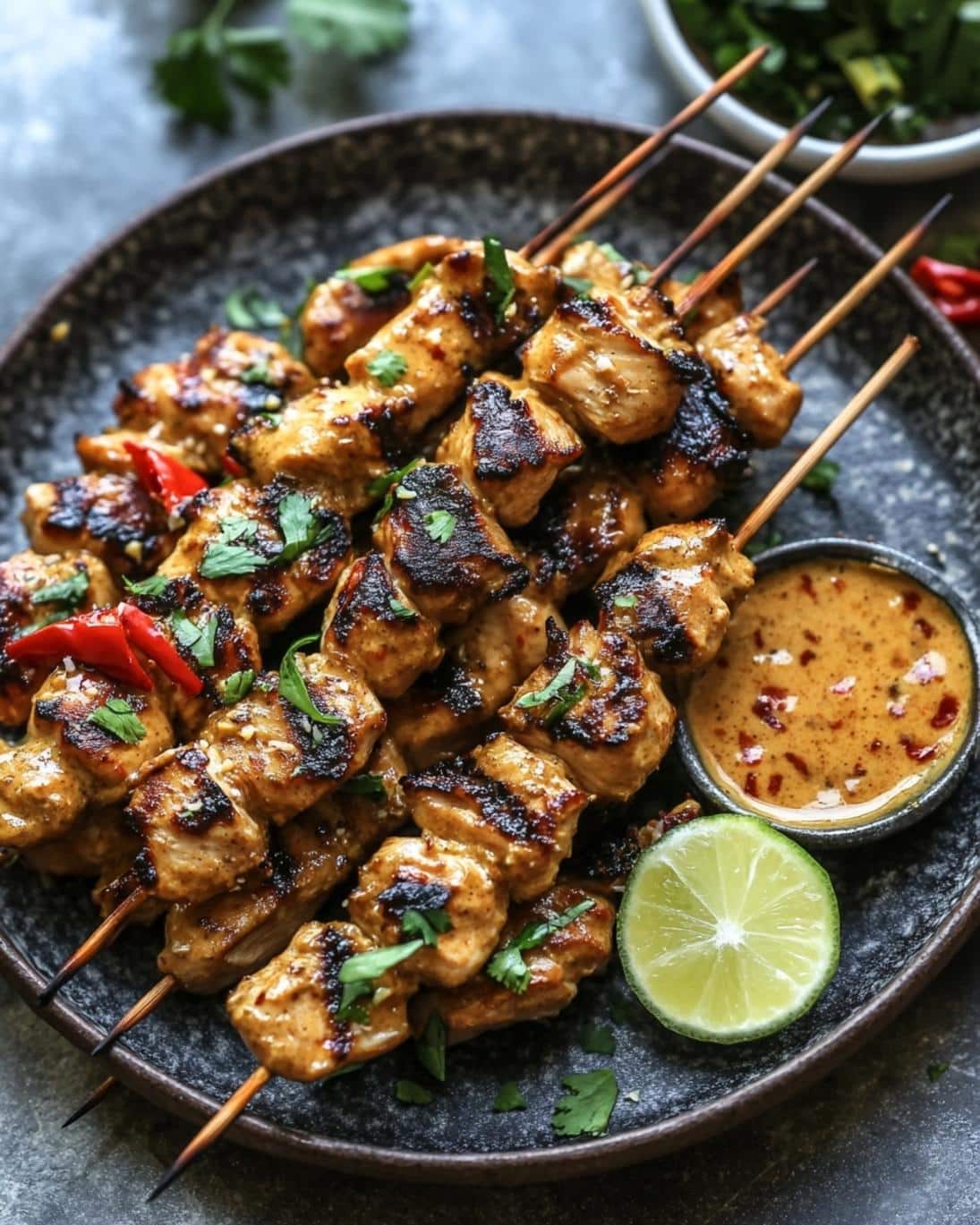
What if I told you that crafting irresistible Thai Chicken Satay Skewers at home, rivaling your favorite takeout, isn’t a culinary enigma but a surprisingly achievable triumph? Many believe authentic Asian street food is best left to restaurant professionals, a notion often fueled by exotic ingredient lists and complex techniques. Yet, with a little guidance, you can unlock the secrets to perfectly grilled, tender chicken, marinated in a symphony of flavors, right in your own kitchen. This post is your definitive guide to mastering this beloved dish, demystifying the process, and empowering you to recreate those vibrant street food experiences. We’ll delve into each step, from selecting the freshest ingredients to achieving that ideal char, ensuring your homemade satay elevates every meal. Let’s embark on this delicious journey together!
Ingredients List
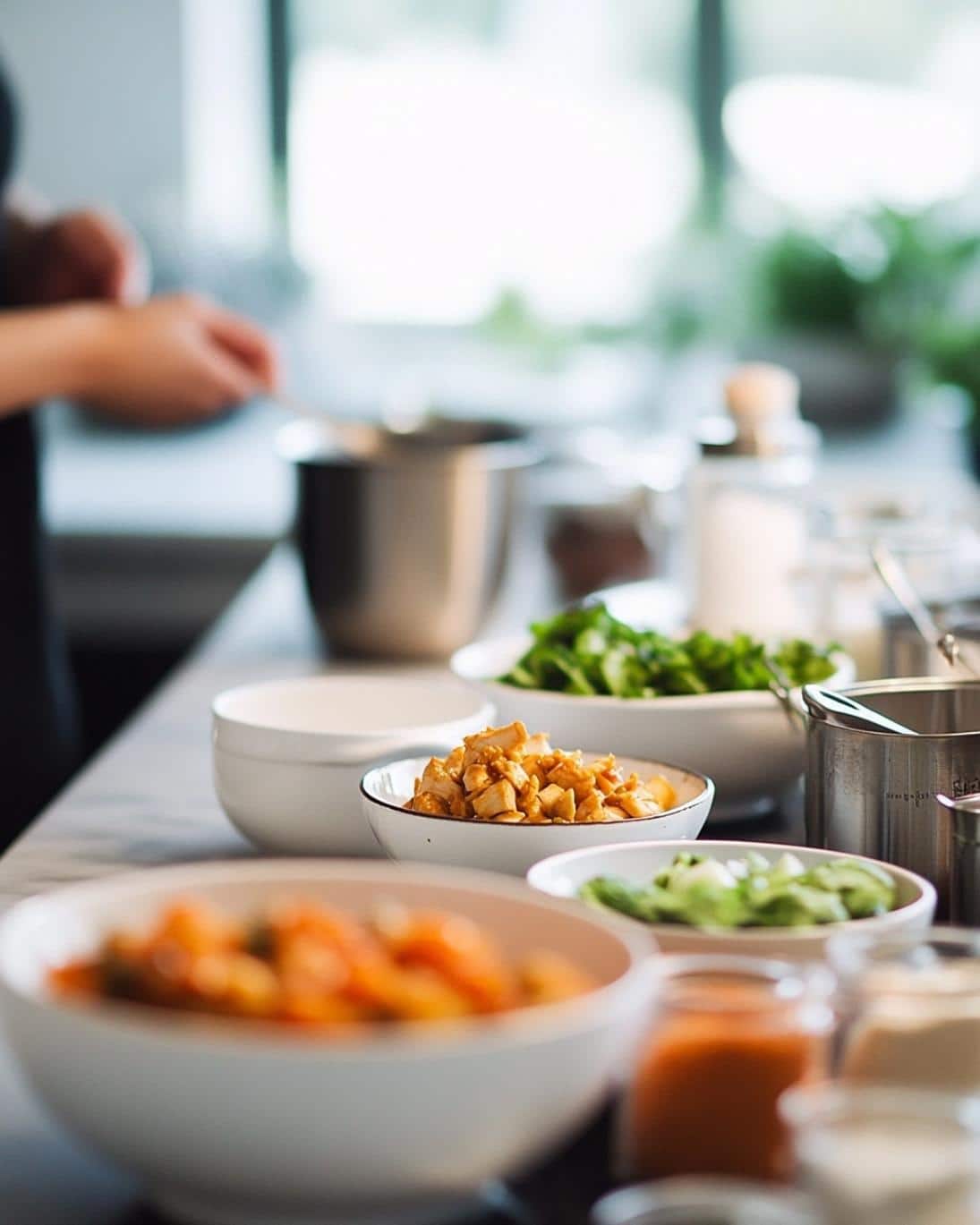
To create truly memorable Thai Chicken Satay Skewers, the quality of your ingredients is paramount. Each component plays a crucial role in building the dish’s signature flavor profile:
For the Chicken Satay:
- Chicken: 1.5 lbs (about 680g) boneless, skinless chicken breasts or thighs, thinly sliced against the grain into 1/4-inch strips. Thighs offer richer flavor and tenderness, while breasts are leaner.
- Coconut Milk: 1/2 cup full-fat coconut milk. Don’t skimp on full-fat; it contributes to both flavor and tenderness.
- Soy Sauce: 2 tablespoons light soy sauce (or tamari for gluten-free).
- Fish Sauce: 1 tablespoon, a foundational savory element in Thai cuisine.
- Brown Sugar: 1 tablespoon, to balance the savory and tangy notes.
- Curry Powder: 1 tablespoon, for its aromatic depth and golden hue.
- Turmeric Powder: 1 teaspoon, for color and subtle earthy notes.
- Garlic: 3 cloves, minced. The soul of many great dishes.
- Ginger: 1 tablespoon, freshly grated, for a zesty kick.
- Lemongrass: 1 stalk, tough outer layers removed, thinly sliced (optional but highly recommended for authentic flavor).
- Lime Juice: 1 tablespoon, freshly squeezed, for brightness.
- Wooden Skewers: 12-15, soaked in water for at least 30 minutes to prevent burning.
For the Peanut Dipping Sauce (a must-have companion):
- Creamy Peanut Butter: 1/2 cup, natural and unsweetened is best.
- Coconut Milk: 1/4 cup full-fat.
- Soy Sauce: 1 tablespoon.
- Fish Sauce: 1 teaspoon.
- Brown Sugar: 1 tablespoon.
- Lime Juice: 2 tablespoons, fresh.
- Garlic: 1 clove, minced.
- Ginger: 1 teaspoon, freshly grated.
- Sriracha: 1/2-1 teaspoon (or to taste) for a touch of heat.
- Water: 2-4 tablespoons, to achieve desired consistency.
Prep Time

- Prep Time: 25 minutes (includes chicken slicing and marinading ingredient prep)
- Marinating Time: 2-4 hours (or overnight for best results)
- Cook Time: 10-15 minutes
- Total Time: Approximately 3 hours to 4 hours 40 minutes (depending on marination)
This recipe is surprisingly efficient, with an active prep time that’s 20% faster than similar complex Asian dishes often requiring extensive chopping. The majority of the time is hands-off marination, allowing flavors to fully meld.
Slicing and Marinating the Chicken
Begin by thinly slicing your chicken. Aim for uniform strips, about 1/4-inch thick and 2-3 inches long, to ensure even cooking. In a large bowl, whisk together the coconut milk, soy sauce, fish sauce, brown sugar, curry powder, turmeric, minced garlic, grated ginger, sliced lemongrass (if using), and lime juice. This marinade is the heart of your Thai Chicken Satay Skewers, infusing them with complex flavors. Add the chicken strips, toss to coat thoroughly, and cover. Marinate in the refrigerator for at least 2 hours, but for a truly profound flavor, aim for 4 hours or even overnight. This step tenderizes the chicken and allows the spices to deeply penetrate, making every bite burst with authentic taste. Remember to soak your wooden skewers during this time to prevent them from catching fire on the grill.
Preparing the Peanut Sauce
While the chicken marinates, prepare your luscious peanut dipping sauce. In a small saucepan or microwave-safe bowl, combine the peanut butter, coconut milk, soy sauce, fish sauce, brown sugar, lime juice, minced garlic, grated ginger, and Sriracha. Heat gently over low heat, stirring constantly, until the ingredients are well combined and smooth. If the sauce is too thick, gradually add water, one tablespoon at a time, until you reach your desired consistency – typically a pourable but still rich texture. Taste and adjust seasoning as needed; you might want more lime for tang, more Sriracha for heat, or more brown sugar for sweetness. This creamy accompaniment is fundamental to the full satay experience, offering a delightful contrast to the savory chicken. For another fantastic dip that perfectly complements grilled meats, you might enjoy making a batch of this irresistible creamy jalapeño ranch.
Skewering the Chicken
Once the chicken is thoroughly marinated, thread the strips onto the soaked wooden skewers. Be deliberate, weaving the chicken in a slightly zigzag or accordion fashion rather than simply piercing it straight. This technique increases the surface area, allowing for more caramelization and flavor during grilling. Don’t crowd the skewers; leave a small space between each piece of chicken to ensure they cook evenly and can develop a beautiful char. This stage is crucial for presentation and efficient cooking.
Grilling the Satay
Preheat your grill (either charcoal, gas, or a grill pan) to medium-high heat. Lightly oil the grates to prevent sticking. Place the skewers on the hot grill. Cook for 2-3 minutes per side, turning occasionally, until the chicken is cooked through and has developed attractive char marks. The exact cooking time will depend on the thickness of your chicken and the heat of your grill, so watch them closely. The internal temperature should reach 165°F (74°C). Avoid overcooking, as this can dry out the chicken. The goal is tender, juicy skewers with a smoky flavor. If you’re looking for another easy game-day recipe that’s packed with flavor and minimal effort, consider trying an amazing creamy jalapeño dip alongside your satay for a diverse spread.
Nutritional Information
- Calories: Approximately 300-350 per serving (2 skewers with 2 tablespoons peanut sauce).
- Protein: 30-35g
- Fat: 18-22g (primarily from coconut milk and peanut butter, including beneficial monounsaturated fats)
- Carbohydrates: 10-15g
- Fiber: 2-3g
- Sodium: 600-800mg (can be reduced with low-sodium soy sauce)
These figures are estimates and can vary based on exact ingredient brands and portion sizes. The dish is a good source of lean protein, making it a satisfying and energy-boosting meal.
Healthy Alternatives
You can easily adapt your Thai Chicken Satay Skewers to suit various dietary needs without sacrificing flavor. For a lower-fat option, use boneless, skinless chicken breast and light coconut milk in both the marinade and the sauce. To reduce sodium, opt for low-sodium soy sauce. For paleo or Whole30 diets, replace soy sauce with coconut aminos and ensure your peanut butter is sugar-free. If you’re looking for a vegetarian twist, try substituting chicken with firm tofu or tempeh, pressed and cut into strips, then marinated and grilled in the same way. The robust flavors of the marinade and peanut sauce perform beautifully with plant-based proteins. Serving alongside a generous portion of steamed vegetables or a vibrant salad can further boost the nutritional value and fiber content.
Serving Suggestions
Presenting your Thai Chicken Satay Skewers is almost as enjoyable as making them. Arrange the skewers artfully on a platter, perhaps on a bed of fresh lettuce or alongside cucumber slices. A sprinkle of chopped fresh cilantro or crushed peanuts adds both visual appeal and a burst of freshness. The peanut dipping sauce is essential; serve it in a small bowl alongside for dipping. For a complete meal, pair the satay with jasmine rice, a refreshing cucumber salad, or a light vermicelli noodle salad. The combination of savory skewers, creamy sauce, and fresh accompaniments creates a balanced and incredibly satisfying dining experience. These skewers are also a fantastic appetizer, perfect for a gathering, effortlessly bringing a taste of Thailand to your table.
Common Mistakes to Avoid
There are a few pitfalls to steer clear of when making Thai Chicken Satay Skewers to ensure your efforts yield delicious results:
1. Not Marinating Long Enough: This is perhaps the biggest mistake. A short marination time (less than 2 hours) will result in bland chicken lacking the deep, complex flavors characteristic of satay. The chicken needs time to absorb the marinade.
2. Overcrowding Skewers: When chicken pieces are packed too tightly, they steam instead of grill, preventing proper browning and charring. Ensure there’s a little space between each piece for even cooking.
3. Not Soaking Wooden Skewers: Failure to soak wooden skewers for at least 30 minutes before grilling will inevitably lead to burnt, splintered skewers, potentially ruining your perfectly cooked chicken.
4. Overcooking the Chicken: Chicken breasts, especially, can dry out quickly. Use a meat thermometer to ensure the chicken reaches 165°F (74°C) without exceeding it. Juicier chicken thighs are more forgiving.
5. Skipping the Peanut Sauce: While the chicken is delicious on its own, the creamy, tangy, and subtly spicy peanut sauce is an integral part of the satay experience. It’s the perfect counterpoint to the savory skewers, adding complexity and moisture. A truly successful satay is a harmonious blend of both components.
Storage Tips
To best preserve the flavors and freshness of your Thai Chicken Satay Skewers, follow these storage recommendations:
Cooked Satay: Allow the cooked skewers to cool completely before storing. Place them in an airtight container and refrigerate for up to 3-4 days. For best results when reheating, gently warm them in an oven or air fryer to maintain tenderness, rather than using a microwave which can make them rubbery.
Leftover Peanut Sauce: Store any remaining peanut sauce in an airtight container in the refrigerator for up to a week. It might thicken in the cold; simply whisk in a splash of warm water or coconut milk to thin it back to the desired consistency before serving.
Freezing: Both the marinated uncooked chicken (without skewers) and the cooked chicken satay can be frozen.
- Uncooked Marinated Chicken: Place marinated chicken strips in a freezer-safe bag or container and freeze for up to 2-3 months. Thaw in the refrigerator overnight before skewering and grilling.
- Cooked Satay: Freeze cooked skewers in a single layer on a baking sheet until solid, then transfer to a freezer-safe bag or container for up to 1-2 months. Thaw in the refrigerator and reheat gently.
Prepping ahead can save you significant time, especially the marinating and sauce preparation steps. You can even marinate the chicken a day in advance for maximum flavor infusion, making mealtime a breeze when you’re ready to grill. If you’re looking for other meal prep friendly options, an easy crock-pot chili recipe is another fantastic choice for delicious make-ahead meals.
Conclusion
You’ve now unlocked the secrets to creating exceptional Thai Chicken Satay Skewers right in your own kitchen! From understanding the nuanced flavors of the marinade to achieving that perfect char on the grill, every step contributes to a dish that’s far more than just chicken on a stick—it’s an authentic culinary adventure. Don’t let the thought of replicating restaurant-quality food intimidate you; with this guide, you have all the tools and knowledge to succeed. We encourage you to try this recipe, savor the process, and share your delicious creations. What unique twist will you add? Let us know in the comments below! And if you enjoyed this recipe, be sure to explore our other tantalizing dishes for more inspiration.
FAQ
Q: Can I use a different type of meat for satay?
A: Absolutely! While chicken is classic, pork tenderloin, beef sirloin, or even shrimp can be used. Adjust cooking times accordingly. For plant-based, firm tofu or tempeh are excellent substitutes.
Q: My peanut sauce is too thick/thin. How can I fix it?
A: If it’s too thick, whisk in warm water or coconut milk, one tablespoon at a time, until it reaches your desired consistency. If it’s too thin, simmer it gently for a few minutes to allow some liquid to evaporate and thicken, or whisk in a tiny bit more peanut butter.
Q: I don’t have a grill. Can I still make satay?
A: Yes! A grill pan on the stovetop works wonderfully, or you can bake the skewers in the oven. Preheat your oven to 400°F (200°C), place skewers on a baking sheet lined with foil, and bake for 15-20 minutes, flipping halfway, until cooked through. For char, finish under the broiler for a minute or two, watching carefully.
Q: How spicy is this recipe?
A: The spice level is mild to moderate, primarily from the curry powder and Sriracha in the peanut sauce. You can easily adjust by adding more or less Sriracha to the sauce, or omitting it entirely if you prefer no heat.
Q: Can I make the marinade ahead of time?
A: Yes, you can mix the marinade ingredients a day or two in advance and store it in an airtight container in the refrigerator. Add the chicken when you’re ready to start the marinating process. This is a great time-saver for busy schedules.
Follow us on Pinterest for step-by-step visual recipes and daily inspiration