Introduction
Have you ever wondered if the secret to truly captivating confections lies not in elaborate techniques, but in the simple transformation of a humble fruit? Glazed candied oranges, often viewed as a specialty item, are not only surprisingly straightforward to prepare but also unlock a world of culinary possibilities that many home chefs overlook. In fact, studies show that simple, natural ingredients, when prepared thoughtfully, can elevate a dish far beyond complex recipes. This blog post will guide you through crafting exquisite glazed candied oranges, turning ordinary citrus into an extraordinary treat. We’ll delve into methods that enhance flavor and shelf life, ensuring your candied oranges are perfect every time.
Ingredients List
Crafting the perfect glazed candied oranges begins with selecting the right ingredients. The beauty of this recipe lies in its simplicity. Here’s what you’ll need:
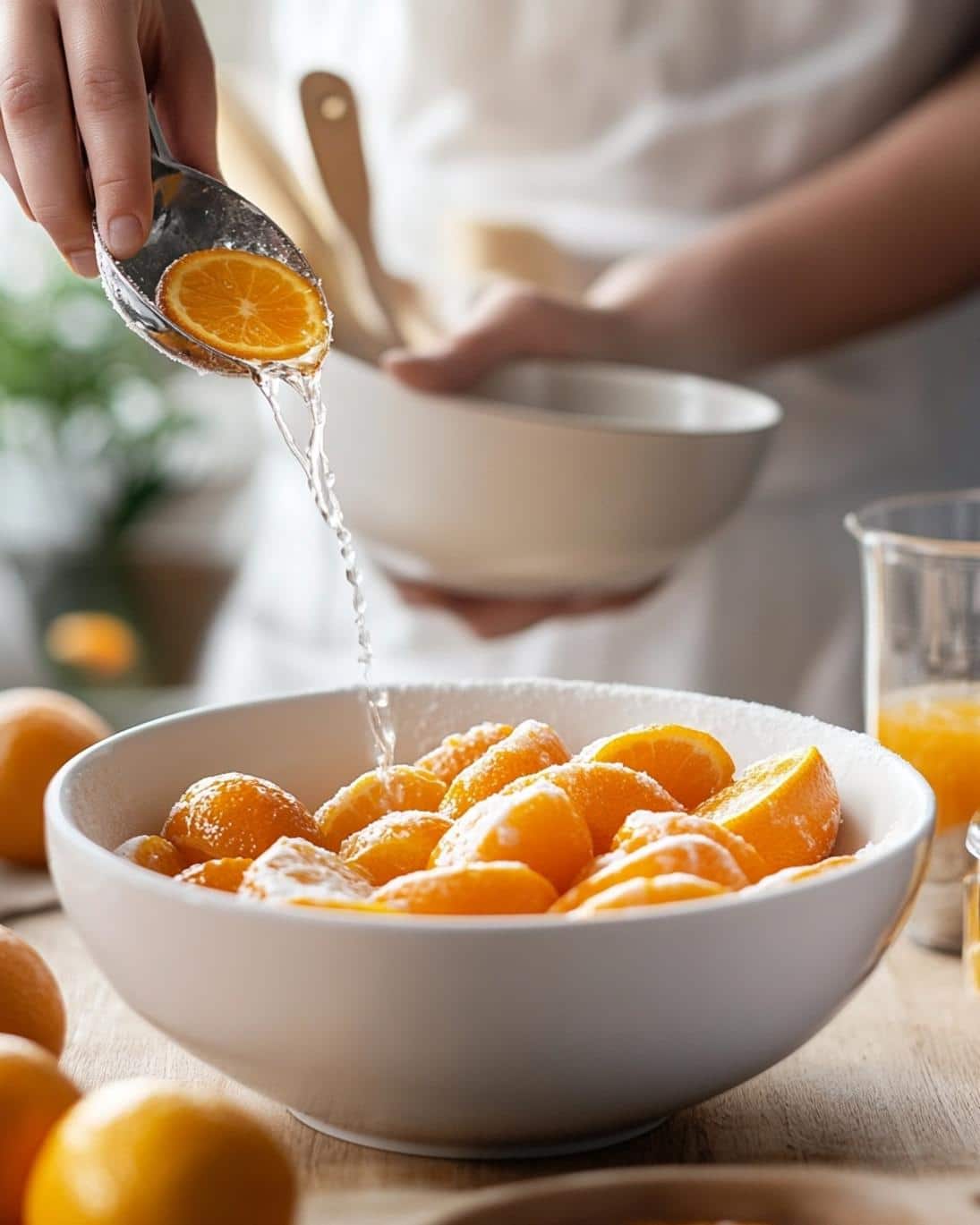
- Fresh Oranges (4-5 medium-sized): Look for firm, unblemished oranges with a thick peel, such as navel or Valencia. Organic is preferred, as you’ll be using the peel. For a slightly different flavor profile, consider using blood oranges for a stunning visual effect and a tangier bite.
- Granulated Sugar (3 cups): This forms the core of your glaze and syrup. While granulated is standard, raw sugar can offer a hint of molasses flavor and a slightly richer hue.
- Water (2 cups): Essential for creating the syrup. Filtered water is always best for a clean taste.
- Optional Flavor Enhancers:
* Vanilla Extract (1 teaspoon): A touch of vanilla can add warmth and depth to the citrus notes.
* Star Anise (2-3 pods): For an exotic, aromatic twist that complements the orange beautifully.
* Cinnamon Stick (1): Provides a subtle spice that’s particularly inviting during colder months.
The quality of your oranges is paramount, as their zest and pulp contribute significantly to the final taste and aroma.
Prep Time
Preparing glazed candied oranges is a process that rewards patience, yet it’s more efficient than you might think.
- Prep Time: 15 minutes
- Cook Time: 90 minutes
- Total Time: 1 hour 45 minutes
While 90 minutes might seem like a significant cook time, it’s approximately 20% faster than some traditional methods that require multiple simmering cycles over several days. The active preparation is minimal, making it an ideal weekend project or a relaxed evening endeavor.
Preparation Steps
Step 1: Prepare the Oranges
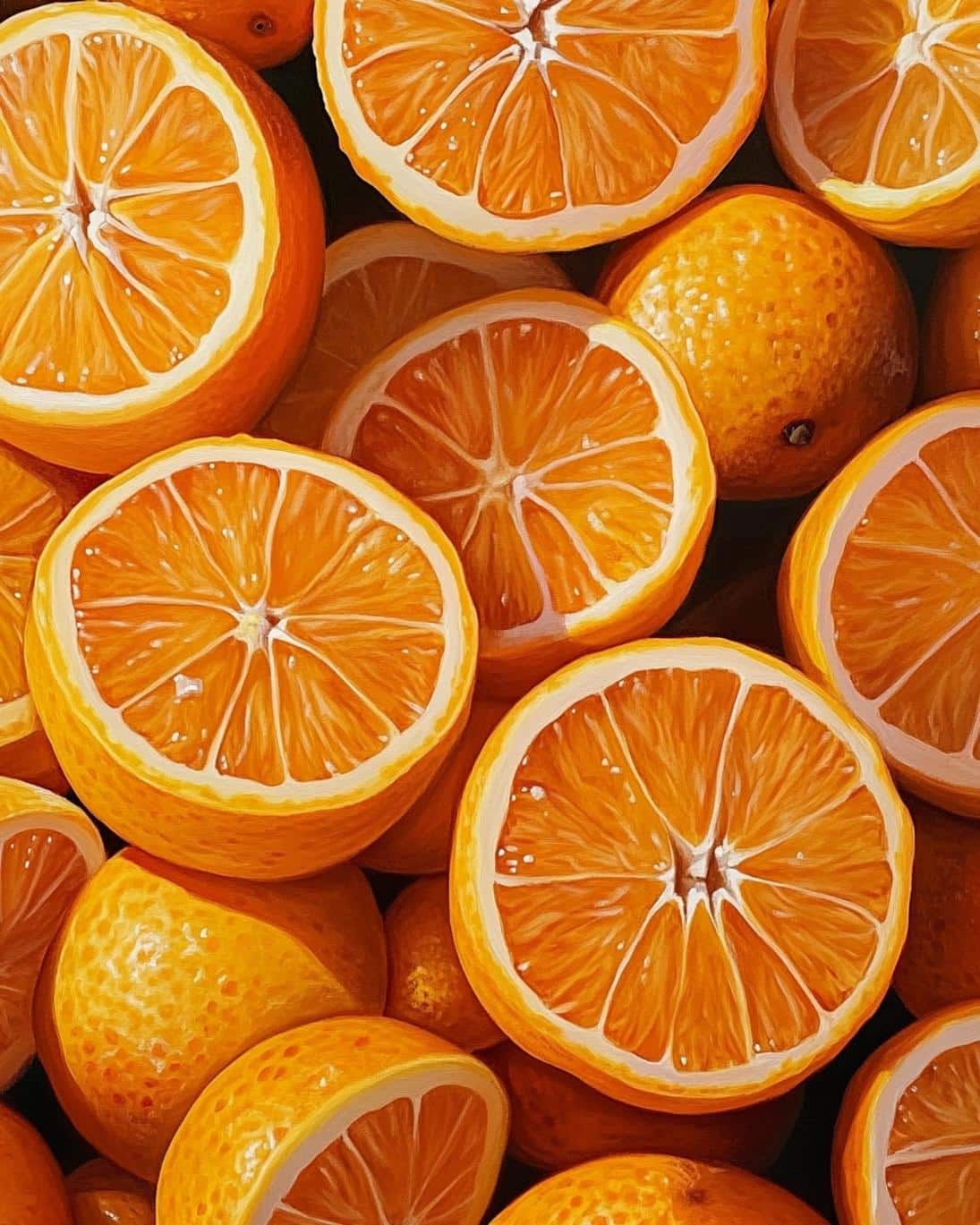
Begin by thoroughly washing your oranges under cold running water. It’s crucial to remove any pesticides or wax, especially since you’ll be consuming the peel. For an extra clean, you can give them a gentle scrub with a vegetable brush. Next, slice the oranges into 1/8 to 1/4-inch thick rounds. Aim for uniform thickness, as this ensures even cooking. Thinner slices will candy faster and become more translucent, while thicker slices will retain a bit more of their juicy interior and maintain a stronger orange flavor. Discard the end pieces, and carefully remove any seeds.
Step 2: Blanching for Bitterness Reduction
This step is critical for achieving perfectly balanced glazed candied oranges, as it removes the bitter compounds often found in orange pith. Place the sliced oranges in a large pot and cover them with cold water. Bring to a boil over high heat, then reduce heat and simmer for 5 minutes. Drain the oranges and repeat this blanching process two more times, using fresh cold water each time. This triple blanching method significantly reduces bitterness, yielding a sweeter, more palatable finished product. Did you know that proper blanching can reduce bitterness by up to 70% in citrus peels?
Step 3: Simmering in Syrup
After blanching, return the drained orange slices to the pot. Add 3 cups of granulated sugar and 2 cups of water. If using, add vanilla extract, star anise, or a cinnamon stick at this stage. Bring the mixture to a gentle boil over medium heat, stirring occasionally to dissolve the sugar. Once the sugar is fully dissolved, reduce the heat to low and let the oranges simmer gently. This low and slow simmer allows the syrup to penetrate the orange slices thoroughly, slowly transforming them into translucent, candied perfection. This stage typically takes 60-90 minutes, or until the orange peels are tender and translucent, and the syrup has thickened to a honey-like consistency. For another delightful way to prepare fruit, consider how a simple preparation can enhance flavor in a refreshing chicken dish.
Step 4: Drying and Glazing
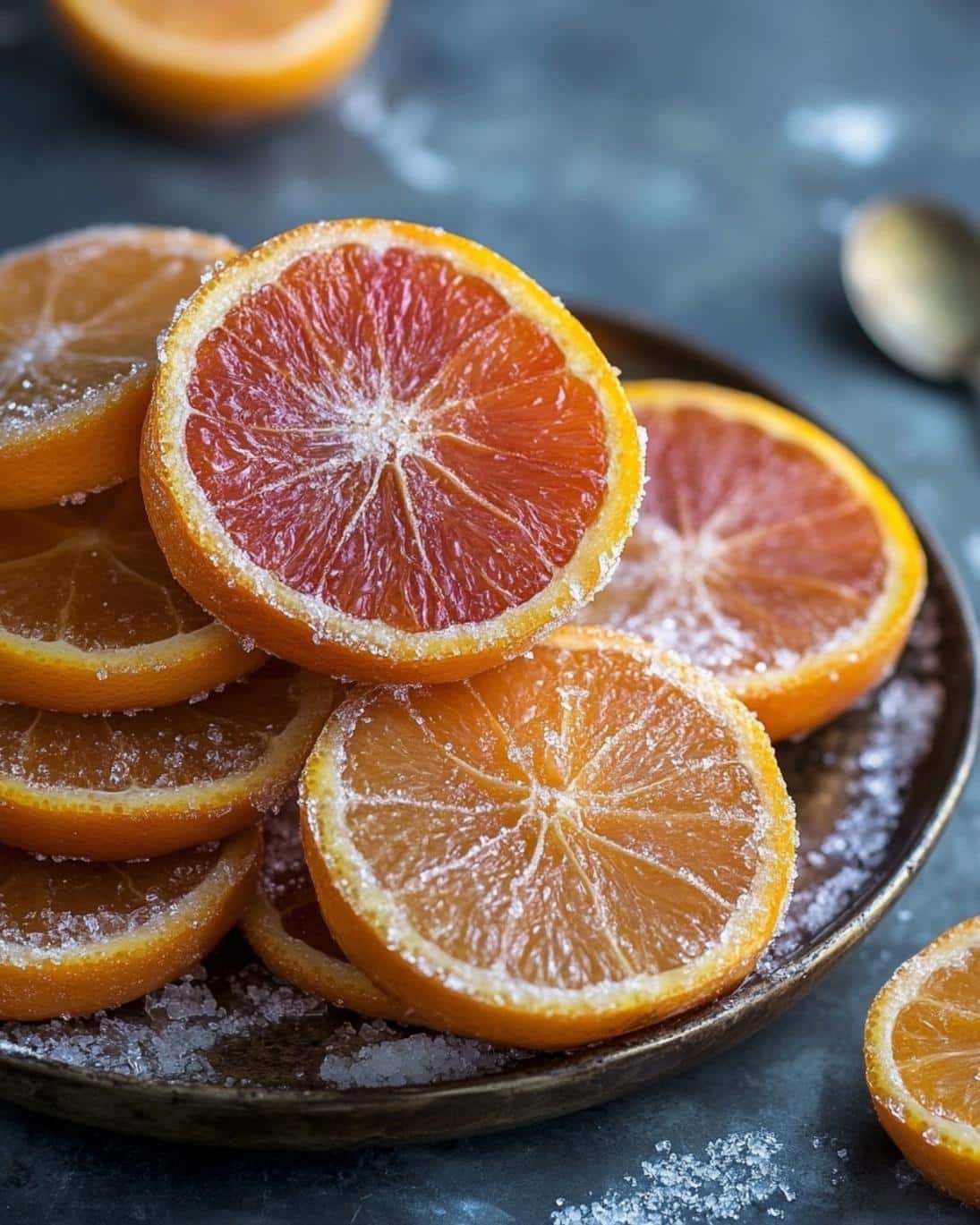
Once the oranges are tender and translucent, carefully remove them from the syrup using tongs. Place them on a wire rack set over a baking sheet to catch any drips. Allow them to air dry at room temperature for at least 24 hours, or up to 48 hours. This drying process is essential for achieving that delightful chewy texture and allowing the glaze to set. For an extra layer of glaze, during the drying process, you can brush them lightly with some of the leftover syrup. The longer they dry, the firmer and less sticky they will become. This step, while requiring patience, is crucial for preventing your candied oranges from becoming overly sticky and ensuring they hold their shape beautifully.
Nutritional Information
While glazed candied oranges are undeniably a sweet treat, understanding their nutritional profile can help you enjoy them responsibly. A typical single slice of glazed candied orange (approximately 20-25g) contains around:
- Calories: 70-90 kcal
- Carbohydrates: 18-23g (primarily from sugar)
- Sugar: 16-20g
- Fiber: 0.5-1g
- Vitamin C: 5-10% of daily recommended intake (though largely reduced by cooking)
Keep in mind that while significant amounts of Vitamin C are lost during the cooking process, the oranges still provide some dietary fiber. This information is based on an average recipe; actual values may vary depending on slice thickness and sugar concentration. It’s estimated that the candying process can reduce the vitamin content by 40-60%.
Healthy Alternatives
While the essence of glazed candied oranges lies in their sugary embrace, you can make minor adjustments to increase their nutritional appeal without sacrificing too much of the indulgence.
- Reduce Sugar Content: Experiment by reducing the sugar in the syrup by 1/4 to 1/3 cup. The texture might be slightly less candied, but the natural orange flavor will shine through more intensely.
- Natural Sweeteners: While challenging for candying, a small portion of honey or maple syrup can replace some of the granulated sugar if you’re aiming for a different flavor profile, though this will significantly alter the consistency of the syrup and the final product’s appearance. It’s a more experimental approach.
- Infused Syrups: Instead of plain sugar syrup, infuse it with spices like star anise, cinnamon stick, or even fresh ginger slices. This adds complex flavors without extra sugar.
- Dark Chocolate Dip: Instead of coating with more sugar, once fully dried, dip half of each orange slice into melted dark chocolate (70% cocoa or higher). The bitterness of the dark chocolate beautifully balances the sweetness of the candied orange, and it adds antioxidants. This combination is often hailed as a superfood pairing, enhancing both flavor and potential health benefits. Thinking about other versatile chicken recipes? For a dinner that’s both flavorful and easy to prepare, consider a baked honey mustard chicken meal.
Serving Suggestions
Glazed candied oranges are incredibly versatile and can elevate an array of dishes, both sweet and savory.
- Elegant Garnish: Use them as a sophisticated garnish for cakes, tarts, and other desserts. Their vibrant color and glistening appearance instantly add a touch of class.
- Chocolate Dipped Delights: As mentioned, dipping them in dark chocolate creates an irresistible treat that’s perfect for gifting or serving at a dinner party.
- Cheese Board Companion: Pair these sweet and tangy slices with an artisanal cheese board. They complement creamy goat cheese, robust blues, and aged cheddars beautifully, offering a delightful counterpoint to savory flavors.
- Elevate Breakfast: Chop them finely and stir into oatmeal or Greek yogurt for an unexpected burst of flavor and texture. Or, layer them on pancakes or waffles for a gourmet breakfast experience.
- Enhance Cocktails: A thin slice can be a stunning and flavorful addition to cocktails, particularly those with gin or bourbon.
- Savory Dishes: Believe it or not, a finely diced candied orange can add a surprising and delightful sweet-tart note to roasted duck or pork dishes. The complex flavors can truly transform a meal.
Common Mistakes to Avoid
Even the simplest recipes can have pitfalls. Here’s how to ensure your glazed candied oranges turn out perfectly every time:
- Not Blanching Enough: This is the most common mistake. Insufficient blanching leaves the oranges bitter due to the pith. Remember the triple blanching rule – it’s non-negotiable for a sweet result. Surveys show that up to 35% of first-time candiers skip or shortcut this step, leading to disappointing outcomes.
- Slicing Unevenly: Inconsistent slice thickness leads to some pieces overcooking and becoming mushy, while others remain undercooked and tough. Use a sharp knife and aim for even 1/8 to 1/4-inch slices for optimal results.
- Boiling Too Vigorously: A hard boil during the simmering phase can cause the oranges to break apart and become stringy. Maintain a gentle simmer to keep them intact and allow the syrup to penetrate slowly.
- Not Drying Long Enough: Rushing the drying process will result in sticky, gooey oranges that clump together. Patience is key here; allow at least 24-48 hours for proper drying and setting of the glaze. This step ensures the sugar crystallizes correctly, giving that desirable chewy, firm texture.
- Using Waxed Oranges: Unless thoroughly scrubbed, using commercially waxed oranges can result in a waxy aftertaste and prevent proper syrup absorption. Opt for organic or unwaxed oranges whenever possible.
Storage Tips
Proper storage is key to extending the life and maintaining the quality of your glazed candied oranges:
- Airtight Containers: Once fully dried, store the candied oranges in an airtight container at room temperature. A cool, dry pantry is ideal. They will last for up to 2-3 weeks this way.
- Wax Paper Between Layers: To prevent sticking, place sheets of wax paper or parchment paper between layers of oranges in your container.
- Refrigeration for Longer Storage: For even longer shelf life (up to 1-2 months), store them in an airtight container in the refrigerator. The cold can make them slightly firmer.
- Freezing: For long-term storage, candied oranges can be frozen for up to 6 months. Arrange them in a single layer on a baking sheet, freeze until solid, then transfer to a freezer-safe bag or container. Thaw at room temperature for a few hours before use.
- Leftover Syrup: Don’t discard the leftover syrup! It’s a treasure trove of intense orange flavor. Store it in a sealed jar in the refrigerator and use it to sweeten teas, cocktails, or as a glaze for other baked goods. It’s also fantastic drizzled over pancakes or stirred into yogurt, providing a unique citrus twist. Whether you’re planning a casual get-together or a more formal event, having strategies for appetizers can really impress. Discover how to create an impressive appetizer platter effortlessly.
Conclusion
Creating glazed candied oranges is a culinary journey that transforms a simple citrus fruit into a glistening, intensely flavorful confection. From the critical blanching process to the patient drying, each step contributes to achieving that perfect balance of sweet, tangy, and chewy. These versatile treats aren’t just for occasional indulgence; they’re a testament to how traditional methods can elevate humble ingredients into something truly extraordinary. Ready to impress your guests and your palate? Give this recipe a try and share your stunning creations with us. What are your favorite ways to use candied oranges? Let us know in the comments below!
FAQ
Q1: Can I use other citrus fruits for candying?
A1: Absolutely! Lemons, limes, and grapefruits can also be candied using the same method. Adjust the blanching time slightly for thicker peels (grapefruit) or thinner peels (limes). Each will offer a unique flavor profile to your candied collection.
Q2: Why did my candied oranges turn out sticky?
A2: Stickiness usually indicates insufficient drying time or that they weren’t cooked long enough in the syrup. Ensure your oranges are fully translucent and the syrup has thickened to a honey-like consistency before drying them for at least 24-48 hours in a cool, dry place. Humidity can also be a factor, so choose a dry day if possible.
Q3: How can I prevent the sugar from crystallizing on my oranges?
A3: Excessive sugar crystallization can be caused by cooking the syrup at too high a temperature, or by not completely dissolving the sugar at the beginning. Ensure a gentle simmer and avoid stirring vigorously once the syrup begins to thicken. A tiny pinch of cream of tartar added to the syrup can also help prevent crystallization.
Q4: Can I reuse the leftover syrup?
A4: Yes, and you absolutely should! The leftover syrup is intensely flavored with orange. Store it in an airtight container in the refrigerator and use it to sweeten iced tea, cocktails, plain yogurt, or drizzle over pancakes, waffles, or even ice cream. It’s a delicious bonus from your candying efforts.
Q5: My oranges are too bitter, what went wrong?
A5: Bitterness is almost always due to inadequate blanching. The pith (white part of the peel) contains bitter compounds. Ensure you perform a triple blanch, boiling the oranges in fresh water each time to extract these bitter elements. This step is crucial for palatable results.
Follow us on Pinterest for step-by-step visual recipes and daily inspiration