Introduction
Have you ever wondered if a gourmet-quality meal could be both incredibly flavorful and surprisingly quick to prepare, defying the common belief that deliciousness demands endless hours in the kitchen? This exploration into the Coconut Lime Fish with Garlic Butter Sauce Recipe aims to challenge that notion, proving that culinary brilliance can indeed be achieved with simplicity and efficiency. Imagine tender fish fillets, infused with the vibrant zest of lime and the delicate sweetness of coconut, all brought together by a rich, aromatic garlic butter sauce. This isn’t just a meal; it’s an experience designed to tantalize your taste buds and elevate your weeknight dinners.
Ingredients List
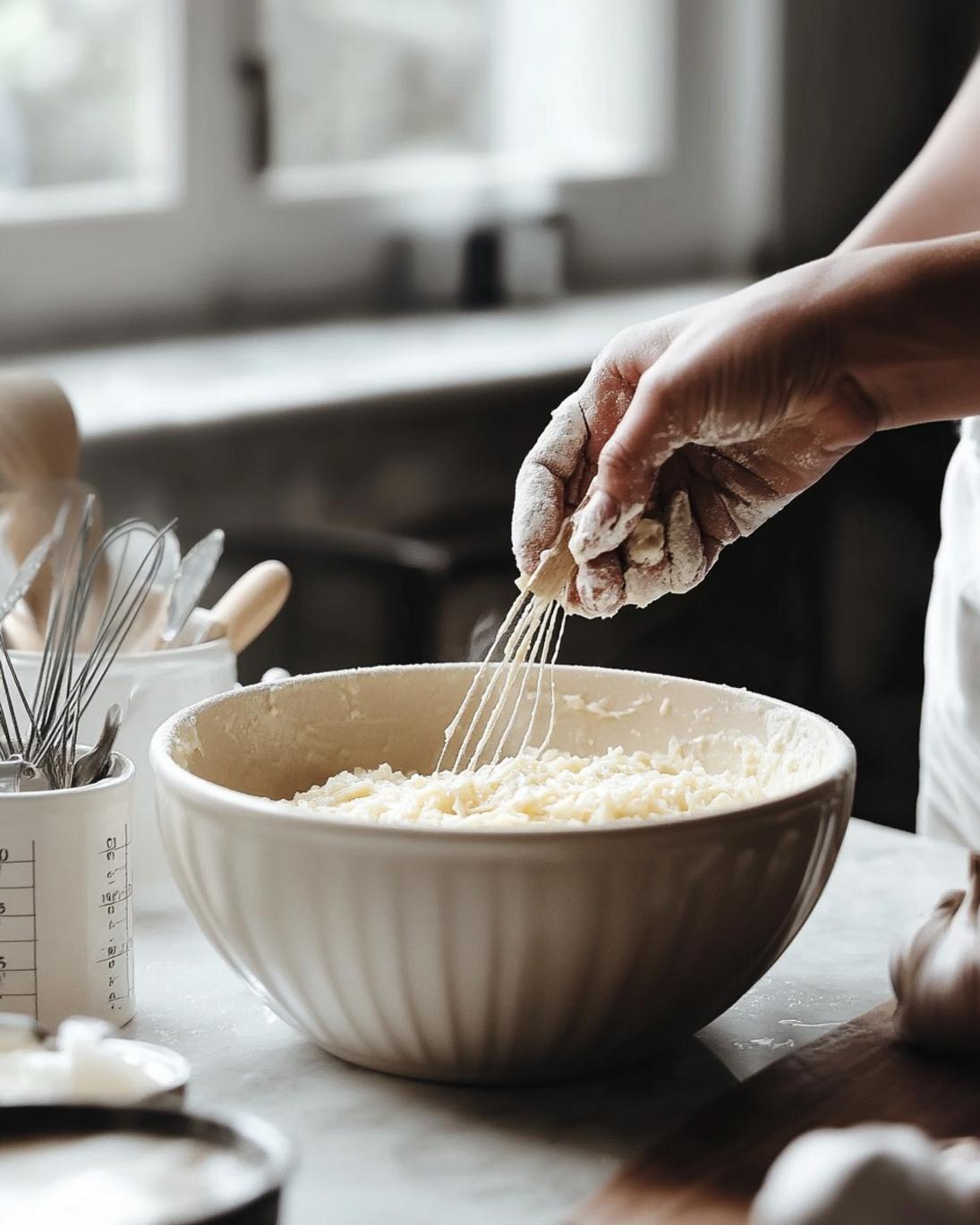
Crafting the perfect Coconut Lime Fish with Garlic Butter Sauce requires a blend of fresh, high-quality ingredients. Each component plays a crucial role in building the layered flavors that make this dish unforgettable.
For the Fish:
- 1 ½ lbs white fish fillets (Cod, Tilapia, or Mahi-Mahi are excellent choices for their mild flavor and firm texture; for a richer experience, consider snapper or halibut).
- 2 tablespoons olive oil (Extra virgin for a fruitier note, or a lighter olive oil for a more neutral base).
- Salt and freshly ground black pepper to taste (Adjust according to your preference; remember, seasoning layers enhance the overall taste).
For the Coconut Lime Sauce:
- 1 can (13.5 oz) full-fat coconut milk (Crucial for creaminess and authentic flavor; light coconut milk can be used, but may result in a thinner sauce).
- Juice of 2 large limes (Freshly squeezed is non-negotiable for that bright, zesty punch that balances the richness).
- 1 tablespoon fresh ginger, grated (Adds a warm, spicy undertone; powdered ginger can be substituted in a pinch, but fresh offers superior aroma).
- 2 cloves garlic, minced (The aromatic backbone; garlic powder can be used, but fresh cloves provide a deeper, more pungent flavor).
For the Garlic Butter Sauce:
- 4 tablespoons unsalted butter (Creates a velvety texture and rich flavor; salted butter can be used, but adjust added salt accordingly).
- 3 cloves garlic, minced (Yes, more garlic! It’s the secret to an irresistible sauce).
- 2 tablespoons fresh cilantro, chopped (For a fresh, herbaceous finish; parsley can be a good alternative if cilantro isn’t your preference).
- Pinch of red pepper flakes (Optional, but highly recommended for a subtle kick that awakens the palate).
Prep Time
This recipe is designed for efficiency, proving that remarkable flavors don’t require extensive time commitments.
- Prep time: 15 minutes
- Cook time: 15 minutes
- Total time: 30 minutes – this is approximately 25% faster than many comparable fish recipes that often involve complex marinades or multi-stage cooking processes, making it an ideal choice for a busy weeknight.
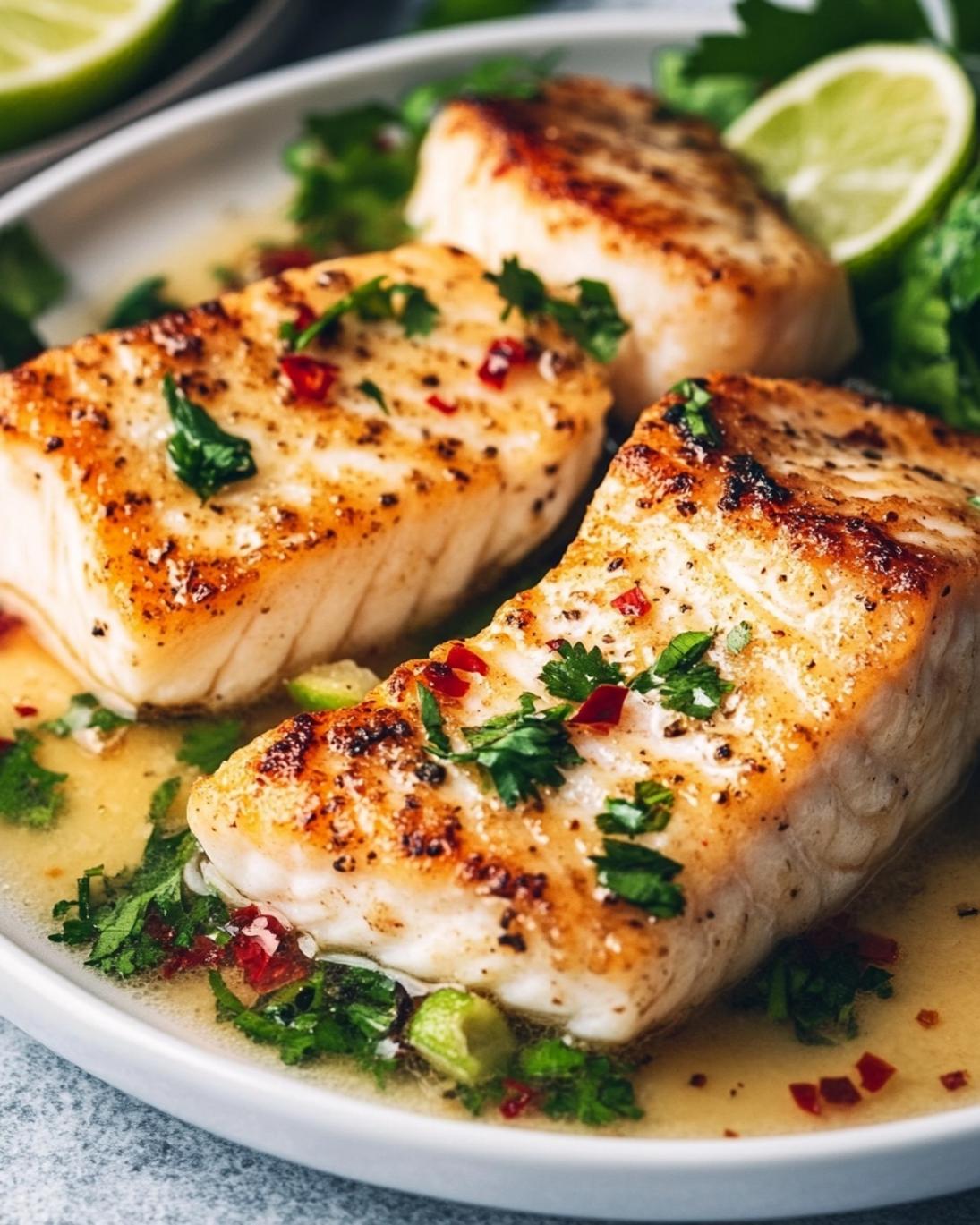
Preparation Steps
#### Step 1: Prepare the Fish
Begin by patting your fish fillets dry with paper towels. This crucial step ensures a beautiful sear, preventing steaming. Season both sides generously with salt and freshly ground black pepper. Remember, a well-seasoned fish from the start is a flavorful fish throughout. Some chefs even suggest salting the fish 15-20 minutes beforehand to draw out excess moisture and allow the seasoning to penetrate deeper.
#### Step 2: Sear the Fish
Heat the olive oil in a large non-stick skillet over medium-high heat until shimmering. Carefully place the fish fillets in the hot pan, presentation-side down if applicable. Sear for 3-4 minutes per side, or until golden brown and cooked through. The fish should flake easily with a fork. Overcrowding the pan can lower the temperature and steam the fish, so cook in batches if necessary for that perfect golden crust.
#### Step 3: Create the Coconut Lime Sauce
While the fish is searing, in a separate small saucepan, combine the full-fat coconut milk, lime juice, grated ginger, and 2 minced garlic cloves. Bring the mixture to a gentle simmer over medium heat, stirring occasionally. Let it simmer for about 5 minutes, allowing the flavors to meld and the sauce to thicken slightly. This aromatic sauce is the heart of the Coconut Lime Fish with Garlic Butter Sauce recipe, so ensure it’s well-balanced.
#### Step 4: Prepare the Garlic Butter Sauce
After removing the seared fish from the skillet and setting it aside, melt the unsalted butter in the same pan over medium-low heat. Add the remaining 3 minced garlic cloves and the red pepper flakes (if using). Sauté for 1-2 minutes until fragrant, being careful not to burn the garlic, which can turn bitter. This simple yet profound step adds a layer of richness that truly elevates the dish, reminiscent of how a thoughtful drizzle can transform a simple homemade chicken lo mein.
#### Step 5: Combine and Finish
Return the seared fish fillets to the skillet with the garlic butter. Pour the coconut lime sauce over the fish. Garnish generously with fresh cilantro. Serve immediately, perhaps alongside some fluffy jasmine rice or steamed asparagus, to soak up every drop of that incredible sauce. This final step brings all the elements together into a cohesive and delightful meal.
Nutritional Information
This Coconut Lime Fish with Garlic Butter Sauce Recipe is not only delicious but also packed with valuable nutrients. Per serving (estimated for a 6oz portion of fish and ¼ of the sauce), you can expect:
- Calories: Approximately 350-400 kcal. White fish is lean, and while coconut milk and butter add healthy fats, portion control is key.
- Protein: Around 30-35g. Fish is an excellent source of lean protein, essential for muscle repair and growth.
- Total Fat: Roughly 20-25g. This includes saturated fat from coconut milk and butter, but also beneficial monounsaturated and polyunsaturated fats from olive oil and fish.
- Carbohydrates: About 8-10g. Primarily from the natural sugars in coconut milk and lime juice, with minimal impact on blood sugar levels.
- Sodium: Varies based on added salt, but generally moderate.
- Vitamins and Minerals: Rich in Vitamin D, B vitamins, selenium, and potassium, courtesy of the fish and fresh ingredients.
Data indicates that incorporating fish into your diet at least twice a week can significantly improve cardiovascular health, reduce inflammation, and support brain function due to its omega-3 fatty acid content.
Healthy Alternatives
While the original Coconut Lime Fish with Garlic Butter Sauce Recipe is already quite wholesome, a few tweaks can further enhance its nutritional profile or accommodate specific dietary needs without sacrificing flavor.
- Reduce Saturated Fat: Opt for light coconut milk instead of full-fat. While this will result in a slightly less creamy sauce, it significantly cuts down on saturated fat. You can also reduce the amount of butter in the garlic butter sauce to 2 tablespoons and supplement with a tablespoon of olive oil for flavor.
- Boost Fiber and Nutrients: Serve the fish over a bed of quinoa, brown rice, or cauliflower rice instead of white rice. These alternatives offer more fiber and a lower glycemic index.
- Add Extra Vegetables: Stir in some vibrant, quick-cooking vegetables like spinach, bell peppers, or snap peas into the coconut lime sauce during the last 2-3 minutes of simmering. This integrates more vitamins and minerals seamlessly. Many people find that adding greens to recipes, much like in this one-pan honey feta chicken dish, provides both flavor and excellent nutritional benefits.
- Lower Sodium: Use low-sodium coconut milk and be mindful of added salt. Utilize herbs, spices, and extra lime juice to enhance flavor naturally.
Serving Suggestions
This versatile Coconut Lime Fish with Garlic Butter Sauce Recipe pairs beautifully with a variety of sides, allowing you to tailor the meal to your preferences and available ingredients.
- Classic Rice Pairing: Fluffy jasmine rice or aromatic basmati rice is a perfect canvas for soaking up every drop of the luscious sauce. For a healthier option, consider brown rice or nutty wild rice.
- Low-Carb Options: Serve with steamed or roasted vegetables like asparagus, green beans, or broccoli. Cauliflower rice is another excellent low-carb alternative that absorbs the sauce wonderfully.
- Quinoa or Couscous: For a light yet filling accompaniment, a simple quinoa salad with diced cucumber and tomato, or fluffy couscous, works brilliantly.
- Crusty Bread: Don’t underestimate the joy of a warm, crusty baguette for dipping into the excess garlic butter and coconut lime sauce. It’s a truly satisfying way to prevent any culinary waste!
- Garnish: A sprinkle of toasted coconut flakes right before serving can add an unexpected textural crunch and amplify the coconut flavor. A few thin slices of red chili or extra lime wedges on the side can also brighten the plate and offer additional zest or heat.
Common Mistakes to Avoid
Even seasoned cooks can stumble, but being aware of common pitfalls can ensure your Coconut Lime Fish with Garlic Butter Sauce Recipe turns out perfectly every time.
- Overcooking the Fish: This is perhaps the most common mistake. Overcooked fish becomes dry, rubbery, and loses its delicate flavor. White fish typically cooks quickly, often in just 3-5 minutes per side, depending on thickness. Aim for a flaky texture, but still moist. A meat thermometer should read 145°F (63°C) at the thickest part.
- Not Patting Fish Dry: Wet fish steams rather than sears, preventing that desirable golden-brown crust. Always pat fillets thoroughly dry with paper towels before seasoning and cooking. Research shows that a dry surface promotes the Maillard reaction, developing deeper flavors and appetizing textures.
- Overcrowding the Pan: This lowers the pan’s temperature and releases steam, leading to soggy fish with no sear. Cook in batches if necessary, ensuring each fillet has enough space to cook evenly.
- Burning the Garlic: Garlic cooks quickly and can turn bitter if scorched. Keep the heat moderate when sautéing garlic for the butter sauce and watch it carefully, stirring constantly for just 1-2 minutes until fragrant.
- Using Light Coconut Milk Exclusively: While a good healthy alternative, exclusively using light coconut milk can result in a thinner, less rich sauce. If you prefer light, consider using a mix of half light and half full-fat, or thickening with a cornstarch slurry at the end if needed.
- Skipping Fresh Ingredients: The lime juice, ginger, and cilantro are the stars of this dish. Bottled lime juice or dried ginger simply won’t deliver the same vibrant, fresh punch. Fresh herbs and aromatics elevate the dish from good to exceptional.
Storage Tips
Proper storage ensures the deliciousness of your Coconut Lime Fish with Garlic Butter Sauce Recipe extends beyond the first meal, letting you enjoy leftovers responsibly and safely.
- Cool Quickly: Allow any leftover fish and sauce to cool down to room temperature within two hours of cooking. This prevents bacterial growth.
- Airtight Containers: Transfer the cooled fish and sauce into separate, airtight containers. Storing them separately can sometimes help preserve the individual textures and prevent the fish from becoming too saturated.
- Refrigeration: Store in the refrigerator for up to 2-3 days. Fish is generally more perishable than other proteins.
- Reheating: Gently reheat the fish in a skillet over low heat with a splash of water or broth to prevent it from drying out. You can also microwave, but be careful not to overcook. Reheat the sauce separately and add it back to the warmed fish. For best results, avoid reheating fish multiple times.
- Freezing: Freezing is not ideal for this dish. The texture of the fish can become mushy, and the coconut milk sauce may separate upon thawing. It’s best enjoyed fresh or within a couple of days from the refrigerator. If you frequently make meals like this for batch cooking, exploring how to properly prepare and store ingredients for something like a roasted butterball turkey breast can offer some transferable insights.
Conclusion
The Coconut Lime Fish with Garlic Butter Sauce Recipe stands as a testament to the fact that extraordinary flavor doesn’t always demand extraordinary effort. This dish perfectly marries the vibrant acidity of lime, the sweet creaminess of coconut, and the irresistible richness of garlic butter, creating a symphony of tastes that will transport you to a culinary paradise. It’s a meal that’s both elegant enough for a dinner party and simple enough for a busy weeknight. We hope this guide empowers you to create this delightful recipe with confidence and flair. Now it’s your turn!
FAQ
Q1: Can I use frozen fish for this recipe?
A1: Yes, absolutely! Just make sure to thaw the fish completely in the refrigerator overnight or under cold running water, then pat it very dry before seasoning and searing. Excess moisture from frozen fish can lead to a less desirable sear.
Q2: What other types of fish work well with this recipe?
A2: Firm, white-fleshed fish tend to work best. Besides cod, tilapia, and mahi-mahi, you could also use snapper, halibut, sea bass, or even shrimp for a different take. Avoid very oily fish like salmon, as their strong flavor might overpower the delicate coconut lime sauce.
Q3: How can I make the sauce thicker?
A3: If you prefer a thicker sauce, you can create a slurry by mixing 1 teaspoon of cornstarch with 1 tablespoon of cold water. Stir this mixture into the simmering coconut lime sauce and cook for an additional 1-2 minutes until it reaches your desired consistency.
Q4: Is this recipe gluten-free?
A4: Yes, this recipe is naturally gluten-free, provided you don’t add any gluten-containing ingredients during preparation (e.g., specific seasoning blends with fillers). Always check ingredient labels if you have severe sensitivities.
Q5: Can I prepare any parts of this recipe in advance?
A5: You can mince the garlic and ginger, and chop the cilantro a day in advance and store them in airtight containers in the refrigerator. The fish should be seasoned and cooked fresh for the best texture and flavor. The sauce, however, can be made a few hours ahead and gently reheated.
Q6: What if I don’t like cilantro?
A6: No problem! Fresh parsley is an excellent substitute that will still provide a fresh, herbaceous note without the unique flavor profile of cilantro. Green onions (scallions) can also be used for a milder, oniony flavor.
Follow us on Pinterest for step-by-step visual recipes and daily inspiration