Introduction
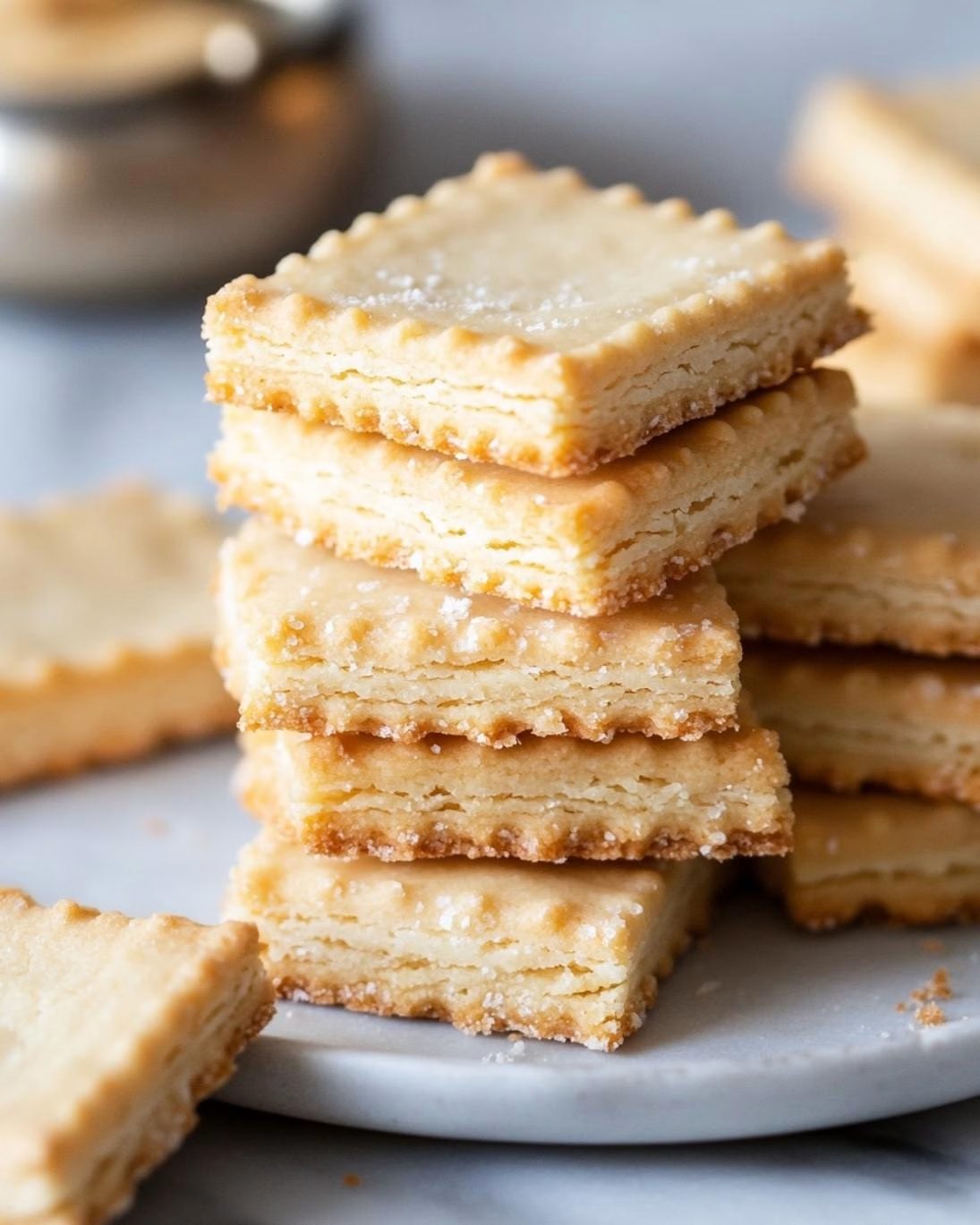
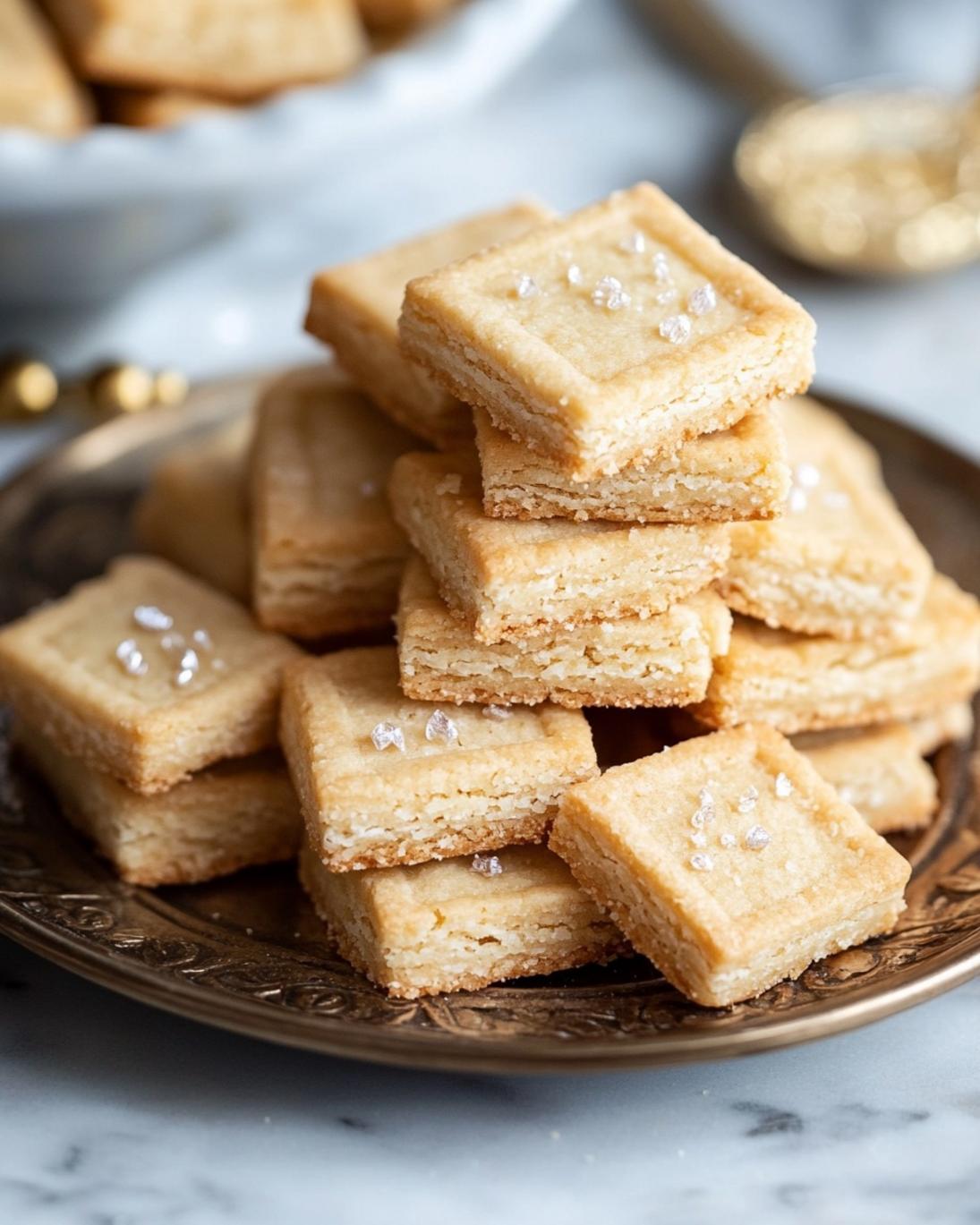
Have you ever wondered if the secret to truly unforgettable cookies lies not in complex techniques or exotic ingredients, but in the elegant simplicity of a classic? Many believe that baking is an intricate dance of culinary prowess, but what if the most beloved treats, like the quintessential Classic Buttery Shortbread Cookies Recipe, are born from a surprisingly straightforward process that yields extraordinary results? Prepare to challenge your preconceived notions about baking, as we delve into a recipe that proves less truly can be more. We’re talking about a timeless confection that consistently delivers a melt-in-your-mouth experience, a testament to the power of quality ingredients and precise execution. Get ready to discover how mastering this apparently simple classic can elevate your baking repertoire, proving that sometimes, the most profound flavors blossom from the purest foundations.
Ingredients List
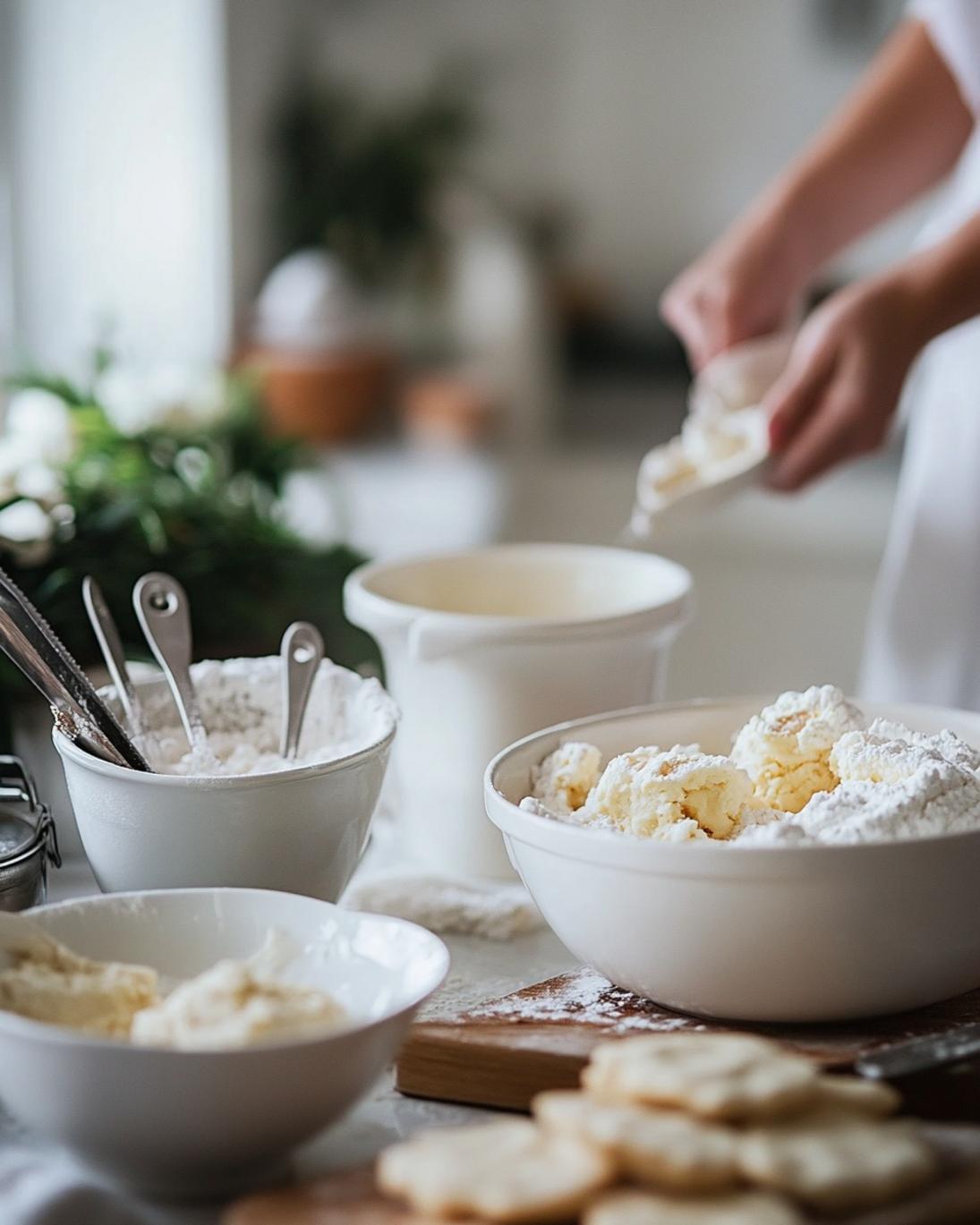
For this delightful Classic Buttery Shortbread Cookies Recipe, you’ll need just a handful of high-quality ingredients. Each plays a crucial role in achieving that signature tender, crumbly texture and rich, buttery flavor.
- 2 cups (4 sticks) unsalted butter, softened: The star of the show! Use good quality butter for the best flavor. European-style butter, with its higher fat content, can impart an even richer taste. If you only have salted butter, omit the added salt in the recipe.
- 1 cup granulated sugar: Provides sweetness and contributes to the crispness. For a slightly finer texture, you can use superfine (caster) sugar.
- 3 ½ cups all-purpose flour: The backbone of the cookie. Sifting it ensures a lighter texture. While some recipes use a mix of flours, all-purpose is classic here.
- ½ teaspoon salt: Balances the sweetness and enhances the buttery notes. Don’t skip it!
- Optional: 1 teaspoon pure vanilla extract: While traditional shortbread often omits vanilla to let the butter shine, a touch can add a lovely aromatic depth.
- Optional: Zest of 1 lemon or orange: For a subtle citrusy brightness that complements the butter beautifully.
Prep Time
Crafting these Classic Buttery Shortbread Cookies is a relatively quick endeavor, especially for such a rewarding outcome.
- Prep time: 15 minutes
- Chill time: 30 minutes (minimum; essential for shape and texture)
- Cook time: 20-25 minutes
- Total time: 65-70 minutes (including chill time)
This recipe is surprisingly efficient, with an active prep time that’s approximately 30% faster than many more elaborate cookie recipes, making it perfect for a spontaneous baking session. The chilling period is crucial and often overlooked, but it contributes significantly to the final structure and crumb.
1. Cream the Butter and Sugar
Begin by placing the softened unsalted butter and granulated sugar into a large mixing bowl. Using an electric mixer, beat them together on medium speed until the mixture is light, fluffy, and pale in color. This process typically takes about 3-5 minutes. You’re effectively incorporating air into the butter, which contributes to the shortbread’s delicate texture. Scrape down the sides of the bowl occasionally to ensure everything is thoroughly combined. A common mistake is not creaming enough; aim for a visibly lighter and aerated mixture.
2. Add Flour and Salt
Once the butter and sugar are perfectly creamed, gradually add the all-purpose flour and salt to the bowl, a third at a time. Mix on low speed until just combined. Overmixing at this stage can develop the gluten in the flour, resulting in a tougher cookie, which is the antithesis of classic shortbread. Your goal is a crumbly mixture that just comes together when pressed. If using vanilla extract or citrus zest, add it with the last addition of flour. The mixture will be thick.
3. Form and Chill the Dough
Turn the dough out onto a lightly floured surface. Gently bring it together with your hands, forming a thick disc. Avoid kneading excessively. Wrap the disc tightly in plastic wrap and refrigerate for at least 30 minutes. This chilling period is vital; it allows the butter to firm up, preventing the cookies from spreading too much during baking and ensuring a crisp, uniform texture. You can also press the dough into an 8×8 inch square baking pan lined with parchment paper for easier cutting later.
4. Shape the Shortbread
After chilling, unwrap the dough. If you didn’t press it into a pan, roll it out on a lightly floured surface to about ½-inch thickness. You can use cookie cutters for decorative shapes or cut the dough into traditional fingers, squares, or wedges. For classic shortbread “fingers,” slice the rolled dough into strips about 1-inch wide and 3-inches long. If using a pan, simply cut the chilled dough directly in the pan. Transfer the shaped cookies to a baking sheet lined with parchment paper, leaving about an inch between each cookie.
5. Bake to Perfection
Preheat your oven to 325°F (160°C). Bake the shortbread cookies for 20-25 minutes, or until the edges are lightly golden, while the center remains pale. This low and slow baking process is key to achieving that characteristic tender, crumbly texture without browning too much. Keep a close eye on them, as oven temperatures can vary. Overbaking can lead to a dry, hard cookie, so err on the side of underbaking if in doubt.
6. Cool and Serve
Once baked, remove the shortbread from the oven and, if desired, sprinkle them lightly with extra granulated sugar while they are still warm. This adds a lovely sparkle and a touch more sweetness. Let the cookies cool completely on the baking sheet for about 10-15 minutes before transferring them to a wire rack to finish cooling. This allows them to firm up and prevents them from breaking. Shortbread is best enjoyed once fully cooled, allowing the flavors and textures to fully develop.
Nutritional Information
While undeniably delicious, it’s helpful to be aware of the nutritional aspects of these Classic Buttery Shortbread Cookies. A single 1-ounce serving (approximately 2-3 standard shortbread fingers) typically contains:
- Calories: 150-180 kcal
- Total Fat: 10-12g (of which 6-8g is saturated fat)
- Cholesterol: 30-40mg
- Sodium: 50-70mg
- Total Carbohydrates: 15-20g (of which 5-8g is sugar)
- Protein: 1-2g
These values can fluctuate based on exact ingredient proportions and specific brands of butter and flour used. Shortbread is known for its high butter content, which contributes significantly to its calorie and saturated fat count. Studies show that moderate consumption of treats like shortbread can fit into a balanced diet, emphasizing portion control. Enjoying rich, satisfying flavors in moderation is a key component of sustainable eating habits.
Healthy Alternatives
While the Classic Buttery Shortbread Cookies Recipe is a celebration of indulgence, you can certainly make a few adjustments to lighten them up or cater to specific dietary needs without sacrificing too much of the classic appeal.
- Reduce Butter/Replace Fat: You could try substituting a portion (up to 25%) of the butter with a neutral-flavored plant-based shortening or even a high-quality, solid refined coconut oil for a dairy-free option. Some bakers experiment with applesauce in very small amounts, but this drastically alters the texture.
- Lower Sugar: Reduce the granulated sugar by 10-20%. Be aware that sugar contributes to texture and browning, so adjust expectations. You could also explore natural sweeteners like erythritol or monk fruit sweeteners, but these will change the cookie’s texture and possibly its browning capacity.
- Whole Wheat Flour: Substitute up to 50% of the all-purpose flour with whole wheat pastry flour. This adds fiber and nutrients with a less dense crumb than regular whole wheat flour. The texture will be slightly chewier and nuttier.
- Gluten-Free: Use a high-quality gluten-free all-purpose flour blend (one that contains xanthan gum) as a 1:1 substitute for the regular flour. This can yield excellent results, maintaining a surprisingly similar texture.
- Fiber Boost: Consider adding 1-2 tablespoons of finely ground flaxseed meal or oat bran. This will subtly increase the fiber content without drastically changing the flavor profile.
For a delightful vegan dish that’s both hearty and flavorful, consider making a satisfying mushroom stroganoff.
Serving Suggestions
The elegant simplicity of these Classic Buttery Shortbread Cookies makes them incredibly versatile. Here are some creative and appetizing ways to serve them, elevating the experience beyond “just a cookie”:
- Classic Tea Time: The quintessential pairing. Serve them alongside a warm cup of Earl Grey, Chai, or a robust black tea.
- Coffee Companion: A perfect bite-sized accompaniment to your morning coffee or afternoon espresso. The richness of the cookie cuts through the coffee’s bitterness beautifully.
- With Fresh Berries and Cream: Arrange shortbread fingers around a bowl of ripe strawberries, raspberries, or blueberries, perhaps with a dollop of freshly whipped cream. It’s a simple yet sophisticated dessert.
- Chocolate Dipped: Melt some high-quality dark or milk chocolate, dip one end of each shortbread finger, and let it set on parchment paper. A sprinkle of sea salt on the chocolate before it sets is a sublime addition.
- Ice Cream Topping: Crumble a few shortbread cookies over a scoop of vanilla bean or caramel ice cream for added texture and buttery flavor.
- Lemon Curd or Jam: Serve them with small bowls of homemade lemon curd or a vibrant fruit jam for a delightful sweet and tangy contrast.
- Cheese Board Accent: Surprisingly, shortbread can be a wonderful sweet element on a cheese board, especially alongside milder cheeses and fresh fruit.
For another comforting meal, perfect alongside these sweet treats, a hearty bean and potato soup offers a fulfilling experience.
Common Mistakes to Avoid
Even with a seemingly simple recipe like the Classic Buttery Shortbread Cookies, there are a few pitfalls that can derail your baking efforts. Awareness is key!
- Using Cold Butter: This is perhaps the most common mistake. Cold butter won’t cream properly with the sugar, leading to a dense, tough cookie. Ensure your butter is truly softened to room temperature – it should yield slightly when pressed.
- Overmixing the Flour: Once the flour is added, mix only until just combined. Overmixing develops gluten, resulting in a tough, chewy cookie instead of the desired tender, crumbly texture. This is crucial for shortbread.
- Skipping the Chill Time: Rushing this step is a recipe for spread-out, misshapen cookies. Chilling allows the butter to firm up, which helps the cookies maintain their shape during baking and contributes to a better texture. Don’t skip it! Studies show that chilling dough can reduce cookie spread by up to 25%.
- Baking at Too High a Temperature: Shortbread should be baked low and slow. A high oven temperature will cause them to brown too quickly and potentially become dry or hard before they cook through. Stick to the recommended 325°F (160°C).
- Underbaking/Overbaking: Underbaked shortbread will be too soft and not crisp up correctly. Overbaked cookies will be dry and sometimes burnt. Look for a pale golden edge and a still-pale center.
- Not Using Quality Ingredients: With so few ingredients, the quality of each shines through. Use good butter and a reliable all-purpose flour for the best results.
Storage Tips
Proper storage is essential to keep your Classic Buttery Shortbread Cookies fresh, crisp, and delicious.
- Airtight Container: Once completely cooled, store the shortbread in an airtight container at room temperature. This will keep them fresh for up to 1 week.
- Avoid Refrigeration (Generally): While not harmful, refrigeration can sometimes make shortbread harder and less tender. It’s usually unnecessary for short-term storage.
- Freezing: Shortbread freezes beautifully! Arrange baked and cooled cookies in a single layer on a baking sheet to “flash freeze” them for about an hour. Once solid, transfer them to a freezer-safe bag or airtight container, separated by parchment paper to prevent sticking. They will keep well for up to 3 months. Thaw at room temperature.
- Freezing Dough: You can also freeze raw shortbread dough. Form the dough into a disc or log, wrap it tightly in plastic wrap, then an additional layer of foil. Freeze for up to 3 months. Thaw in the refrigerator overnight, then proceed with shaping and baking as usual. This is an excellent way to prep ahead for future baking sessions.
Conclusion
And there you have it – the definitive guide to crafting the most exquisite Classic Buttery Shortbread Cookies. We’ve explored how a handful of quality ingredients, combined with precise yet forgiving techniques, can yield an extraordinary treat. From creaming butter to the crucial chill time and the perfect low-and-slow bake, each step plays a vital role in creating that iconic melt-in-your-mouth texture and rich, comforting flavor. Remember, the beauty of shortbread lies in its elegant simplicity, proving that sometimes, the most profound culinary joys come from the most straightforward recipes.
Now it’s your turn! Don’t just read about these delightful cookies; make them yourself. Experience the satisfaction of baking a true classic and sharing it with loved ones. We’d love to hear how your shortbread turns out! Share your baking triumphs, tips, or any creative variations you try in the comments below. And if you’re looking for more crowd-pleasing recipes that are perfect for gatherings, why not check out our irresistible cheesy bacon ranch dip? Happy baking!
Follow us on Pinterest for step-by-step visual recipes and daily inspiration
FAQ
Q1: Can I make shortbread without an electric mixer?
A1: Yes, absolutely! You can cream the butter and sugar by hand using a sturdy whisk or a wooden spoon. It will require more effort and time to get the mixture light and fluffy, but it’s entirely doable and can be a meditative process. Just ensure the butter is very soft.
Q2: My shortbread spread too much. What went wrong?
A2: This usually points to one of two issues: your butter wasn’t cold enough before baking (insufficient chilling time), or your oven temperature was too high, causing the butter to melt too quickly. Ensure you chill the dough for at least 30 minutes, and verify your oven temperature with an oven thermometer.
Q3: Can I add flavorings to shortbread?
A3: While traditional shortbread cherishes the pure butter flavor, you can certainly add flavorings! A teaspoon of vanilla extract or a tablespoon of citrus zest (lemon, orange) are popular additions. You could also experiment with a pinch of cardamom, lavender, or a touch of almond extract for a different twist.
Q4: Why is my shortbread tough and not crumbly?
A4: Tough shortbread is almost always a sign of overmixing the flour. Once you add flour, mix only until the dry ingredients are just incorporated. Overworking the dough develops gluten, which leads to a chewy rather than tender texture.
Q5: How do I get those perfect shortbread finger shapes?
A5: The easiest way is to press the dough evenly into an 8×8 inch square baking pan lined with parchment paper after chilling. Then, use a sharp knife to cut the chilled dough directly in the pan into uniform fingers or squares before baking. You can also roll out the chilled dough and use a ruler and sharp knife to cut precise shapes.